Search Results for 'Adulteration'
-
Dietary Supplements | Herbs & Botanicals | Quality & Safety | Testing
Addressing Problems of Economically-Motivated Adulteration in Botanicals
Constant vigilance and fit-for-purpose testing can help companies defend the authenticity of their products.By James Gormley, Gormley NPI Consulting 01.18.24
-
Contract Manufacturing | Dietary Supplements | Herbs & Botanicals | Quality & Safety | Regulations | Testing
How to Keep Up with Botanical Adulteration
Mark Blumenthal discusses the development and adoption of best practices for keeping irreparably defective articles out of the marketplace.By Sean Moloughney, Editor 07.06.23
-
Breaking News | Dietary Supplements | Herbs & Botanicals | Immune Function | Industry & Market News | Natural/Organic | Quality & Safety | Testing
BAPP Posts Bulletin on Elderberry Adulteration
The new bulletin summarizes evidence of elderberry adulteration current to today, including anthocyanin-rich extracts and food dyes.06.22.23
-
Contract Manufacturing | Dietary Supplements | Herbs & Botanicals | Natural/Organic | Quality & Safety | Regulations | Research | Testing
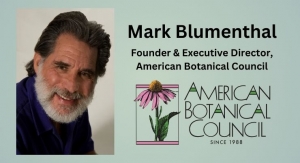
Podcast: Mark Blumenthal on Preventing Botanical Adulteration in a Growing Marketplace
The Founder & Executive Director of the American Botanical Council reflects on nearly 50 years of industry experience and the advancement of ABC's mission.Videos Sean Moloughney, Editor
-
Breaking News | Herbs & Botanicals | Industry & Market News | Quality & Safety | Testing

BAPP Paper Reviews Common Adulteration Practices Which Go Undetected
The paper breaks down findings gathered over BAPP’s 12 years of publication on methods used to adulterate products and avoid detection.01.31.23
-
Dietary Supplements | Herbs & Botanicals | Quality & Safety | Regulations | Testing
BAPP Program Advances ‘Burn It, Don’t Return It’ Policies to Cut Herb Adulteration
The finalized SOP document represents the first set of best practices specifically focused on how to deal with defective raw materials.By Erik Goldman, Holistic Primary Care 12.01.22
-
Breaking News | Herbs & Botanicals | Industry & Market News | Natural/Organic | Quality & Safety
BAPP Publishes Bulletin on Nigella Seed and Seed Oil Adulteration
This is the 75th publication by the nonprofit organization, available for free to the public.10.04.22
-
Dietary Supplements | Herbs & Botanicals | Immune Function | Quality & Safety | Testing
Ensuring Quality Elderberry: INS Farms Discusses Authentication and Combatting Adulteration
CEO and Co-Founder Devon Bennett explains how INS ensures its products are pure, safe, and efficacious.
-
Breaking News | Herbs & Botanicals | Industry & Market News | Quality & Safety | Testing
BAPP Publishes Bulletin on Adulteration of Saffron and its Extracts
A new document summarizes fraud associated with one of the world’s most widely-adulterated spices.03.14.22
-
Breaking News | Contract Manufacturing | Dietary Supplements | Flavors & Colors | Functional Foods & Beverages | Herbs & Botanicals | Industry & Market News | Natural/Organic | Nutrition Bars & Snacks | Quality & Safety | Research | Testing
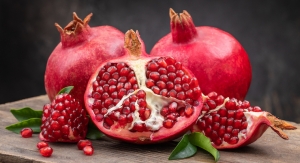
Botanical Adulterants Prevention Program Publishes Bulletin on Pomegranate Adulteration
The ABC-AHP-NCNPR initiative announced the latest installation in its line of publications on common authenticity problems in the botanicals space.06.08.21
-
Breaking News | Contract Manufacturing | Dietary Supplements | Herbs & Botanicals | Immune Function | Industry & Market News | Natural/Organic | Quality & Safety | Research | Testing | World Markets
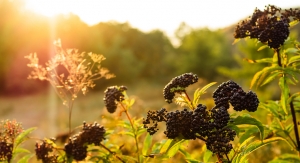
Elder Berry Adulteration Documented By New BAPP Article
The Botanical Adulterants Prevention Program’s latest installation includes lab data from 532 commercial elderberry samples, evidencing authenticity problems.Mike Montemarano, Associate Editor 03.23.21
-
Breaking News | Dietary Supplements | Herbs & Botanicals | Industry & Market News | Quality & Safety | Testing | World Markets

BAPP Publishes Article Detailing Adulteration Schemes Used to Fool Laboratory Analytical Methods
Some forms of ingredient adulteration directly target the methodologies commonly used by testing facilities.10.30.20
-
Industry & Market News | Quality & Safety | Regulations | Regulatory News | Testing

NPA Requests FDA Take More Action Against Adulteration
The trade group requested particularly that FDA begin issuing import alerts for supplements and expand participation in the group’s quality assurance program.07.21.20
-
Breaking News | Contract Manufacturing | Cosmeceuticals / Nutricosmetics | Herbs & Botanicals | Industry & Market News | Quality & Safety | Testing | World Markets

BAPP Publishes English Lavender Oil Adulteration Bulletin
The new bulletin summarizes common adulteration practices associated with English lavender, and methods of detecting fraudulent ingredients.07.07.20
-
Breaking News | Dietary Supplements | Herbs & Botanicals | Immune Function | Industry & Market News | Natural/Organic | Testing
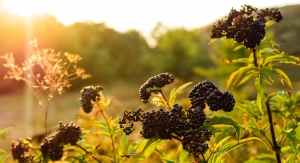
Artemis International Reacts to Adulteration Report on Berry Extracts
The company specializing in elderberry extracts plans to strengthen partnerships with American Botanical Council and Alkemist Labs.06.16.20
-
Breaking News | Contract Manufacturing | Dietary Supplements | Industry & Market News | Quality & Safety
NPA Makes Recommendations Amid COVID-19 Adulteration Concerns
The trade association pitched import alerts and a greater participation in the SSCI throughout the pandemic and its related shortages.06.02.20
-
Herbs & Botanicals | Quality & Safety | Testing
Detecting Adulteration: Huperzine A Case Study
Carbon-14 testing offers a reliable means to differentiate between natural-derived and petrochemical-derived sources.Written By Haley Gershon, Marketing Manager, Beta Analytic, Research By Gao Yu, Beta Analytic & Xin Ma, Nanjing Hup Chemical Co., Ltd. 06.02.20
-
Consumer Trends | Herbs & Botanicals | Mood Health & Sleep | Sports Nutrition
Ancient Roots with a Flourishing Future
Experts expect ashwagandha to continue to rise in rank among other products in the adaptogen market.By Mike Montemarano, Associate Editor, Nutraceuticals World 04.09.20
-
Dietary Supplements | Regulations
Radical Revamp for DSHEA or Common Sense Solutions?
These suggested regulatory updates could reward bold, innovative companies while also protecting consumers.By Todd Harrison, Venable 04.09.20
-
Breaking News | Herbs & Botanicals | Industry & Market News | Natural/Organic | Quality & Safety | Testing | World Markets
ABC's Botanical Adulterants Prevention Program Publishes Turmeric Lab Guidance
The new publication covers authenticating turmeric products, and identifying the many adulterants known to be used.04.01.20
-
Ensuring Product Safety in the Time of Coronavirus
Providing essential goods and services, the dietary supplement industry must rise to the challenge of self-enforcement.Online Exclusives By Sean Moloughney, Editor, Nutraceuticals World 03.30.20
-
Breaking News | Industry & Market News | Quality & Safety | Regulations | Regulatory News | World Markets
COVID-19 Supply Chain Impact: The Story So Far
TraceGains CEO Gary Nowacki shared insights on how the pandemic may affect global supply chains in the nutrition/supplement industry.Mike Montemarano, Associate Editor, Nutraceuticals World 03.19.20
-
Contract Manufacturing | Dietary Supplements | Quality & Safety | Regulations | Testing
Avoiding Contract Manufacturing Pitfalls in the Dietary Supplement Market
A recent product recall shines a spotlight on the marketer/manufacturer relationship.By Sean Moloughney, Editor, Nutraceuticals World 03.02.20
-
Breaking News | Herbs & Botanicals | Industry & Market News | Quality & Safety
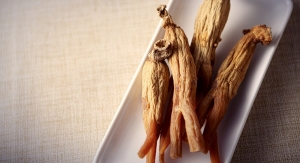
EuroPharma Sponsors Monograph for Red Asian Ginseng
AHP to review one of the most commonly adulterated botanicals and offer specifics regarding different preparations available.02.04.20
-
Breaking News | Herbs & Botanicals | Industry & Market News | Quality & Safety | Research
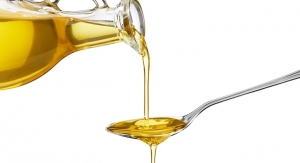
Olive Oil Adulteration Still Among Most Common Cases of Food Fraud
Global production of olive oil has averaged more than three million metric tons for the past two years.01.13.20
-
Dietary Supplements | Herbs & Botanicals | Regulations

Court Decisions Offer Insight on Adulteration & Botanical Constituents
Eleventh Circuit rulings in two cases offer key points for companies to consider in assessing legal risk.By Todd Harrison, Venable 01.07.20
-
Dietary Supplements | Herbs & Botanicals | Natural/Organic | Quality & Safety | Regulations | Testing

The Wild West Sells More than Just CBD
Self-determined GRAS is not a cure-all for NDINs, so be responsible and conduct the necessary safety and toxicology work.By Todd Harrison, Venable 11.05.19
-
Breaking News | Herbs & Botanicals | Industry & Market News | Quality & Safety | Testing
Botanical Program Issues Bulletin on Oregano Adulteration
Experts review known adulterants, summarize analytical approaches, and provide information on the nomenclature, supply chain, and market importance.10.28.19
-
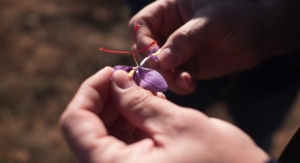
Potent Spanish Saffron Extract Lands in U.S. Market
Pharmactive Biotech Products offers controlled supply chain for Affron brand of golden saffron.10.21.19
-
Breaking News | Herbs & Botanicals | Men's Health | Research | Research News | Supplier News
BGG’s Saw Palmetto Extract Shown to Reduce Urinary Issues
Separate clinical trial established safety at six times the recommended dosage.09.24.19
-
Breaking News | Herbs & Botanicals | Industry & Market News | Quality & Safety | Testing

Botanical Program Reviews Analytical Methods to Verify Saw Palmetto
Document identifies methods to detect adulteration with vegetable oils and fatty acids from animals.09.16.19
-
Dietary Supplements | Proteins, Peptides, Amino Acids | Quality & Safety | Testing
Microbiome Profiling: An Important Tool for Milk & Whey Protein Quality Control
Herbalife researchers demonstrate the microbiome profile of processed cow proteins can be used for raw material identification.By Christopher Thompson, Principal Scientist, Natural Products Methods Research at Global Quality, Herbalife Nutrition 09.10.19
-
Consumer Trends | Dietary Supplements | Healthcare Trends | Quality & Safety | Sports Nutrition | Weight Management/Weight Loss
Weight Management: Personal Approaches to Whole Health
Product developers are delivering targeted nutrition options that align with varying lifestyles and dieting trends.By Sean Moloughney, Editor 09.09.19
-
Dietary Supplements | Herbs & Botanicals | Quality & Safety | Regulations
CBD Regulatory Status Update: The Chaos Continues
FDA already has the authority to create a legal pathway for cannabidiol. It just needs the will to implement it.By Todd Harrison, Venable 09.09.19
-
Breaking News | Herbs & Botanicals | Quality & Safety | Supplier News | Testing
Certification Authenticates Identity of INS Farms’ Black Elderberry
Tru-ID DNA testing confirms species identified in polyphenol fingerprint.09.06.19
-
Breaking News | Dietary Supplements | Herbs & Botanicals | Industry & Market News | Quality & Safety | Testing
Symposium to Address Botanical Ingredient Adulteration
Meeting will include professionals from science, industry, and the public sector.08.13.19
-
Breaking News | Herbs & Botanicals | Supplier News | Testing
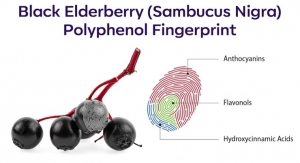
INS Farms Conducts Fingerprint Testing of North American Black Elderberry
Knowing the constituent profile can reduce incidents of adulteration by spotting questionable material prior to manufacturing.07.18.19
-
Dietary Supplements | Herbs & Botanicals | Quality & Safety | Testing
Quality Assurance: Addressing Pain Points for Herbal Products
Companies need to consider many challenges in ensuring the long-term health of the botanical market.By Frieda Wiley, PharmD, Contributing Writer 07.03.19
-
Breaking News | Herbs & Botanicals | Industry & Market News | Quality & Safety | Research | Research News | Testing

Botanical Adulterants Prevention Program Publishes Aloe Vera Bulletin
The bulletin covers adulteration of aloe vera leaf gel and juice with undeclared maltodextrin and ingredients from other Aloe species.06.25.19
-
Breaking News | Herbs & Botanicals | Quality & Safety | Research | Research News | Supplier News | Testing
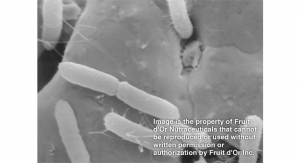
Fruit d’Or Highlights New Tool for Measuring Cranberry Efficacy
Anti-adhesion activity testing designed to give manufacturers and consumers peace of mind.06.07.19
-
Cognitive Function | Digestive Health | Herbs & Botanicals | Inflammation | Mood Health & Sleep | Research
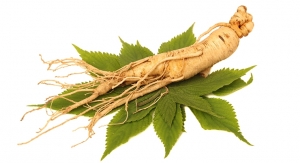
Botanical Science: Black Pepper Testing, Ginseng for Inflammation & Ginkgo as Antimicrobial
AHPA compiles recent research on botanicals and plant compounds published in peer-reviewed journals.By Holly Johnson, PhD, American Herbal Products Association (AHPA) 06.03.19
-
Dietary Supplements | Regulations

DSHEA Discussion: Assessing Standards for Scientific Evidence
Adjusting the health claims system could encourage more clinical trials and benefit consumers.By Todd Harrison, Venable 06.03.19
-
Breaking News | Industry & Market News | Quality & Safety | Regulations | Testing
GOED and UNPA to Host Intentional Adulteration Webinar
Presentation to explain the responsibilities of Food Defense Qualified Individual and what a Food Defense Plan includes.05.31.19
-
Bone & Joint Health | Cardiovascular Health | Consumer Trends | Diabetes & Blood Sugar Management | Functional Foods & Beverages | Herbs & Botanicals | Mood Health & Sleep | Research | Sports Nutrition
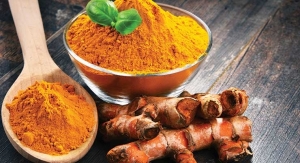
Turmeric & Curcumin: Rising Stars of the Nutrition World
As consumers clamor for these potent compounds, manufacturers and suppliers must deliver high-quality products.By Nutraceuticals World Staff 05.02.19
-
Consumer Trends | Dietary Supplements | Healthcare Trends | Pet Nutraceuticals | Regulations
Pet Supplements: A Regulatory Briefing
The market for pet products continues expanding. Make sure you’re on solid legal footing.By Todd Harrison & Michelle Jackson, Venable 04.01.19
-
Dietary Supplements | Herbs & Botanicals | Quality & Safety | Testing
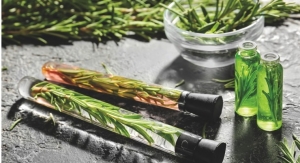
How New Testing Technologies Can Enhance Your Business
A suite of analytical tools that are fit-for-purpose can help companies confirm product quality.By Stephanie Clark, Certified Project Manager, Authenticity Testing, NSF International & Jovan Lubardic, Lab Manager, Authenticity Testing, NSF International 04.01.19
-
Breaking News | Herbs & Botanicals | Quality & Safety | Regulations | Research | Supplier News | Testing | World Markets
Fruit d’Or on a Mission to Improve the Quality of Cranberry
The cranberry expert wants to hold suppliers accountable and help manufacturers commit to higher standards with the aid of analytical testing.03.14.19
-

-
Sustainable & Ethical Sourcing
Connecting Consumer Values to the Ingredients in their Products
-
Antioxidants | Bone & Joint Health | Cardiovascular Health | Consumer Trends | Energy | Eye Health | Healthcare Trends | Healthy Aging | Herbs & Botanicals | Immune Function | Research | Sports Nutrition | Testing | Vitamins

Antioxidants & Aging: Putting Theory to Practice
Natural products have a long history of traditional use matched by modern support from scientific research on safety and efficacy.By Sean Moloughney, Editor 03.01.19